

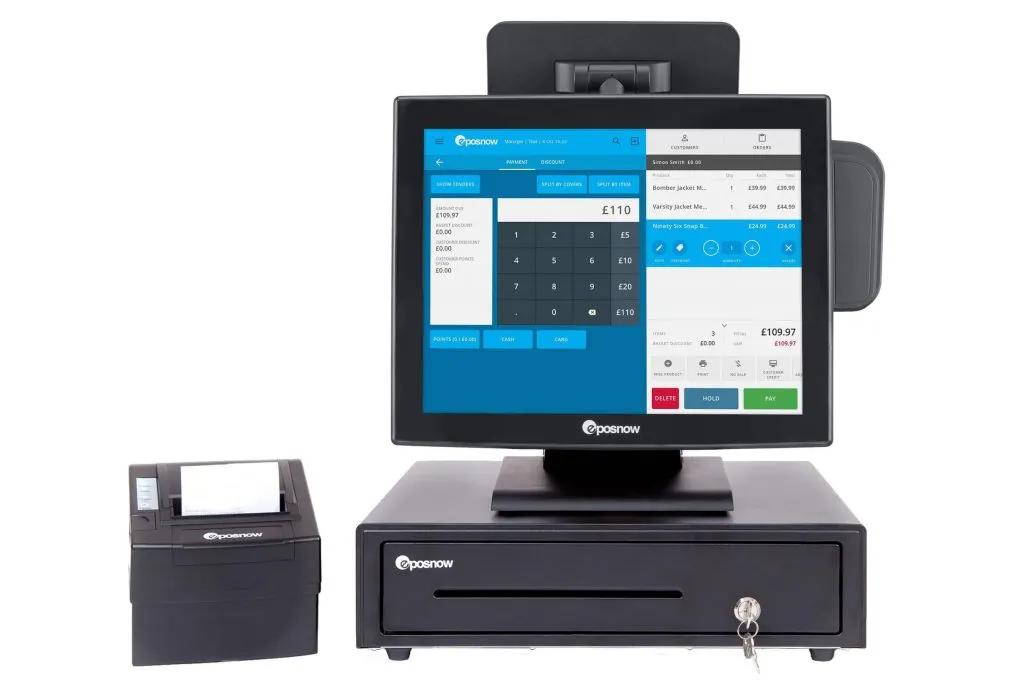
Running a restaurant successfully requires more than serving delicious food. Restaurant owners and managers also need to handle orders, payments, tables, staff, stock, customer service, and daily sales with accuracy. An EPOS system for restaurant businesses brings these important tasks together in one convenient platform. Instead of relying on separate tools and manual records, restaurants can use an EPOS system to organize everyday operations and create a smoother experience for both staff and customers.
What Is an EPOS System for Restaurant?
An EPOS system, or Electronic Point of Sale system, is a digital solution designed to manage restaurant transactions and operational activities. It allows staff to enter customer orders, process payments, manage tables, monitor sales, and access useful business information from one central system.
A modern EPOS system for restaurant businesses can be used in cafés, takeaway shops, casual dining venues, fine dining restaurants, food courts, and other hospitality businesses. Its purpose is to make routine restaurant tasks faster, more organized, and easier to manage.
Why Restaurants Need a Modern EPOS System
Traditional methods of recording orders and calculating sales can become difficult as a restaurant grows. Paper tickets can be misplaced, handwritten orders may be misunderstood, and manual calculations can take valuable time. An EPOS system provides a more structured way to manage these activities.
When a server enters an order through the system, the information can be sent to the appropriate preparation area while the restaurant maintains a digital record. This can help reduce confusion between front-of-house and kitchen staff while making the overall ordering process more efficient.
For restaurant owners, having accurate information available in one place can also make everyday management easier.
Faster and More Accurate Order Management
Order management is one of the most important functions of an EPOS system for restaurant operations. Staff can select menu items directly from the digital interface, customize orders, add special requests, and send information to the relevant preparation area.
This reduces the need to repeatedly communicate orders verbally. Customers can receive a more organized service because staff have clear access to the details of each order.
An effective EPOS system can also make it easier to modify orders when customers request changes. Whether someone wants to remove an ingredient, add an option, or adjust their meal, staff can record the request clearly within the system.
Better Table Management
For restaurants with dine-in customers, table management is another valuable feature. An EPOS system can help staff understand which tables are occupied, available, or awaiting service.
This can improve communication between team members and make it easier to organize customer seating. Staff can also connect orders with specific tables, helping them keep track of individual bills throughout the dining experience.
Better table organization can contribute to faster service, particularly during busy periods when employees need to manage several tables at the same time.
Simplifying Restaurant Payments
Payments are a central part of every restaurant operation. A modern EPOS system can help staff process transactions efficiently while keeping payment information connected to the correct order.
Depending on the system and payment setup, restaurants may be able to accept different payment methods and manage split bills with greater convenience. This can be particularly useful when a group of customers wants to divide a bill between several people.
A clear payment process can help reduce mistakes and create a more professional experience at the end of a customer's visit.
Managing Menus More Efficiently
Restaurant menus can change regularly. Prices may be updated, new dishes may be introduced, and certain items may become unavailable. Managing these changes manually across different systems can create unnecessary work.
An EPOS system allows restaurants to maintain digital menu information in a centralized environment. Authorized staff can update menu items, prices, categories, and options when required.
This can help ensure that employees are working with current information and can make menu management more convenient for restaurant managers.
Improving Sales Visibility
Understanding sales performance is essential for making better business decisions. An EPOS system for restaurant businesses can provide access to sales information that would otherwise require extensive manual record keeping.
Restaurant managers can review information such as daily sales, popular menu items, transaction activity, and performance across different periods. This information can help owners understand customer demand and identify patterns in restaurant performance.
Instead of relying entirely on assumptions, management can use available business data when reviewing menus, promotions, staffing, and operational decisions.
Helping Restaurant Staff Work Better
A restaurant depends on teamwork. Servers, managers, cashiers, and other employees need to communicate effectively throughout the day. An EPOS system can provide a shared digital environment where important order and transaction information is accessible to authorized users.
Staff can spend less time searching for information and more time focusing on customers. A well-organized system can also make employee training easier because workers can follow a consistent ordering and payment process.
Stock and Inventory Awareness
Keeping track of restaurant stock is another important responsibility. Ingredients and menu supplies need to be monitored so managers can maintain appropriate availability.
Many modern EPOS systems include inventory-related features or integrations that can help restaurants monitor stock levels. Sales information can provide useful insight into which products are being used most frequently.
This can support better purchasing decisions and help managers maintain a more organized approach to restaurant supplies.
EPOS System and Customer Experience
Technology should support customer service rather than make it complicated. A properly configured EPOS system can help restaurants deliver a smoother experience from ordering through payment.
Faster order entry, clearer communication, organized tables, and efficient payments can all contribute to customer satisfaction. When staff have reliable tools, they can focus more attention on hospitality and less on repetitive administrative tasks.
A positive customer experience can encourage repeat visits and strengthen a restaurant's reputation.
Choosing the Right EPOS System for Restaurant
Every restaurant has different requirements, so choosing an EPOS system should involve careful consideration. A small café may need a simple solution for orders and payments, while a large restaurant may require advanced table management, reporting, staff controls, and inventory features.
Ease of use should be an important consideration. Restaurant employees often work in fast-moving environments, so the interface should be straightforward and responsive.
Restaurants should also consider compatibility with their existing hardware, payment services, accounting tools, and other business software. Reliable support and regular system updates can also be valuable for long-term use.
The Future of Restaurant Management
The restaurant industry continues to adopt digital solutions that improve efficiency and provide better access to business information. EPOS technology is becoming an important part of this transformation because it connects many daily restaurant functions through one system.
As restaurants become more focused on speed, accuracy, customer service, and informed decision-making, digital point-of-sale technology can provide a strong foundation for modern operations.
Conclusion
An EPOS system for restaurant businesses is more than a tool for processing payments. It can support order management, table organization, menu updates, sales monitoring, staff coordination, inventory awareness, and customer service. By bringing essential restaurant activities together, an EPOS system can help businesses operate in a more organized and efficient way.
For restaurants looking to improve their daily workflow and build a stronger foundation for future growth, choosing the right EPOS system can be an important step toward smarter restaurant management.