

EPOS System for Restaurant: The Smart Way to Manage Modern Dining Operations
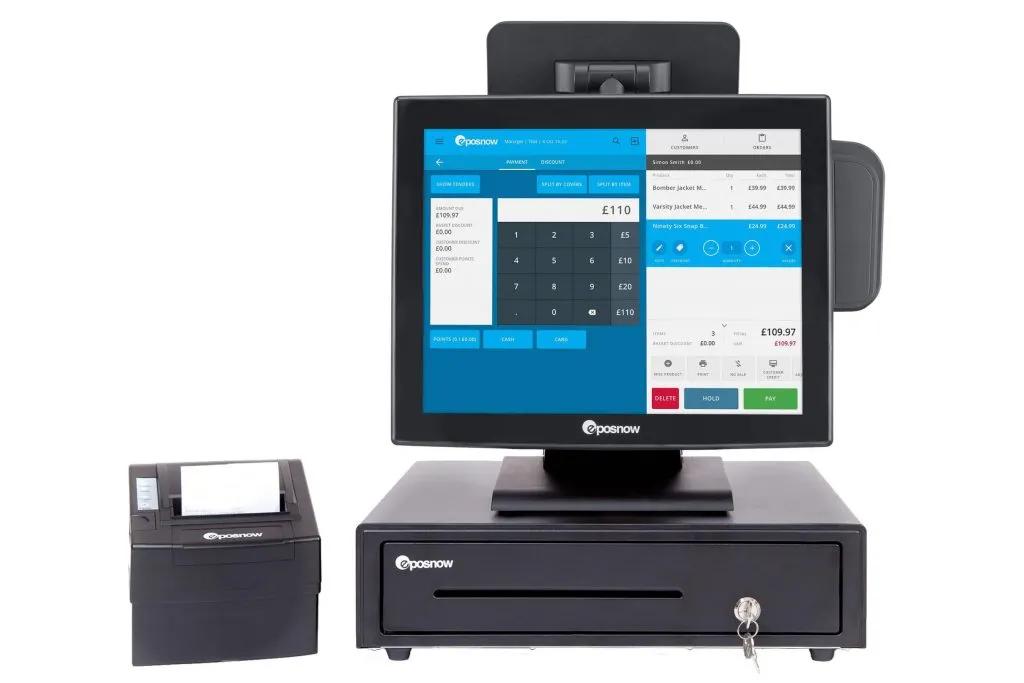
Running a restaurant successfully requires more than serving delicious food. Behind every smooth dining experience is a well-organized system that manages orders, payments, tables, stock, staff activities, and customer service. An EPOS system for restaurant businesses brings these important operations together in one convenient platform, helping restaurant owners and managers work more efficiently while creating a better experience for customers.
As restaurants continue to adopt digital solutions, EPOS technology has become an important part of everyday operations. Whether you operate a small café, a busy takeaway, a family restaurant, or a large dining establishment, the right EPOS solution can simplify many tasks and provide valuable information for better decision-making.
What Is an EPOS System for Restaurant Businesses?
An EPOS, or Electronic Point of Sale, system is a digital platform designed to manage sales and restaurant transactions. Unlike a traditional cash register, a modern restaurant EPOS system can handle much more than payments. It can connect orders, menus, tables, staff accounts, inventory information, and sales reports within one system.
When a customer places an order, staff can enter the details directly into the EPOS interface. The order can then be sent to the appropriate preparation area while the system keeps the transaction organized. When the customer is ready to pay, the same system can process the payment and update the relevant sales information.
This connected approach can reduce unnecessary paperwork and make restaurant operations easier to monitor.
How an EPOS System Improves Restaurant Order Management
Order management is one of the most important parts of restaurant operations. Mistakes in orders can lead to delays, dissatisfied customers, and additional costs. An EPOS system for restaurant operations provides a structured way to record customer requests accurately.
Staff can select items directly from the digital menu rather than relying on handwritten notes. Special instructions, meal choices, portion preferences, and other details can be added to the order when supported by the system.
Once an order is entered, the information can move through the restaurant workflow efficiently. This helps staff understand what has been ordered and allows the preparation team to work with clearer information.
Better Table Management for Restaurants
Managing tables can become challenging during busy periods. Staff need to know which tables are occupied, which are available, and which customers have already ordered. A modern restaurant EPOS system can make this process more organized.
Digital table management allows staff to view the restaurant layout through the EPOS interface. Orders can be connected to specific tables, making it easier to keep track of customer bills throughout their visit.
This can also help restaurant teams coordinate seating and service more effectively. When employees have access to accurate table information, they can spend less time searching for order details and more time serving customers.
Simplifying Restaurant Payments
Payment processing is another major function of an EPOS system. Customers may prefer different payment methods, including cards, contactless payments, or other available options. A modern EPOS solution can bring these transactions into a centralized system.
A clear payment process can make the end of a customer's visit faster and more convenient. Staff can access the correct order, calculate the bill, apply available discounts, and complete the transaction through the connected system.
For restaurants, organized payment records also make it easier to review daily sales and understand overall business performance.
EPOS System and Restaurant Inventory Management
Keeping track of stock is essential for controlling restaurant costs. Without accurate information, restaurants may order too much or too little of a particular item. An EPOS system can help connect sales activity with inventory information.
When menu items are sold, the system can provide data that helps restaurant managers understand which products are being used most frequently. This information can support better purchasing decisions and improve stock planning.
Inventory visibility can be particularly useful for restaurants with large menus. Managers can review usage patterns and make adjustments based on actual sales rather than relying entirely on estimates.
Understanding Restaurant Sales Through EPOS Reports
Good restaurant management depends on accurate information. An EPOS system can provide reports that help owners and managers understand what is happening within the business.
Sales information can show which menu items are performing well, when the restaurant experiences its busiest periods, and how overall revenue changes over time. Depending on the system, reports may also provide information about payment methods, discounts, refunds, staff activity, and other operational areas.
These insights can help restaurant owners make more informed decisions about menu planning, staffing, promotions, and business development.
Improving Staff Efficiency
Restaurant employees often need to manage several responsibilities at the same time. A well-designed EPOS system can simplify some of their routine tasks.
Instead of manually calculating bills or searching through written orders, employees can use the system to access the information they need. Digital order entry can also create a more consistent workflow between front-of-house and preparation teams.
Training is another important consideration. A restaurant should choose an EPOS system with an interface that employees can understand and use comfortably. When staff become familiar with the technology, it can become a natural part of their daily routine.
Supporting Takeaway and Delivery Orders
Restaurants increasingly serve customers through multiple channels. Alongside dine-in service, many businesses handle takeaway and delivery orders. A suitable EPOS system can help bring these different sales activities together.
Centralized order information can make it easier for staff to manage customer requests without relying on several disconnected processes. Restaurants can maintain clearer sales records while managing different types of orders through a coordinated workflow.
This can be especially valuable for businesses that experience high order volumes during lunch, dinner, weekends, or special occasions.
Creating a Better Customer Experience
Technology should ultimately support better customer service. An EPOS system for restaurant businesses can contribute to a smoother dining experience by helping staff manage orders and payments more efficiently.
Faster order entry, clearer billing, organized table information, and reliable transaction records can all contribute to improved service. When employees spend less time dealing with administrative tasks, they can focus more attention on customers.
A positive experience can encourage customers to return and recommend the restaurant to others.
Choosing the Right EPOS System for Your Restaurant
Every restaurant has different requirements, so choosing an EPOS system should be based on the business's specific needs. A small café may require a straightforward solution for orders and payments, while a larger restaurant may need advanced table management, inventory tracking, reporting, staff management, and integrations.
Ease of use should be an important consideration. The system should be simple enough for employees to learn without creating unnecessary complications during busy service periods.
Reliability, customer support, security, scalability, and compatibility with existing restaurant equipment are also worth considering before making a decision.
Why EPOS Technology Is Becoming Essential
The restaurant industry is becoming increasingly technology-driven. Customers expect convenient service, while restaurant owners need accurate information to manage costs and improve operations.
An EPOS system provides a central place for many important restaurant activities. Instead of managing orders, payments, sales information, and operational records separately, businesses can use one connected platform to create a more organized workflow.
For growing restaurants, this technology can also provide a foundation for future development. As the business expands, a scalable EPOS solution can help support additional locations, more employees, larger menus, and higher transaction volumes.
Conclusion
An EPOS system for restaurant businesses is more than a digital cash register. It can become an important part of the entire restaurant operation, connecting orders, tables, payments, inventory, staff activities, and business reports.
By improving organization and providing useful sales information, an EPOS system can help restaurants operate more smoothly and make better-informed decisions. For restaurant owners looking to modernize their operations, reduce unnecessary administrative work, and provide a more convenient customer experience, investing in the right EPOS technology can be a valuable step toward long-term success.