

Smart Home Installer: Creating a More Connected, Comfortable, and Secure Home
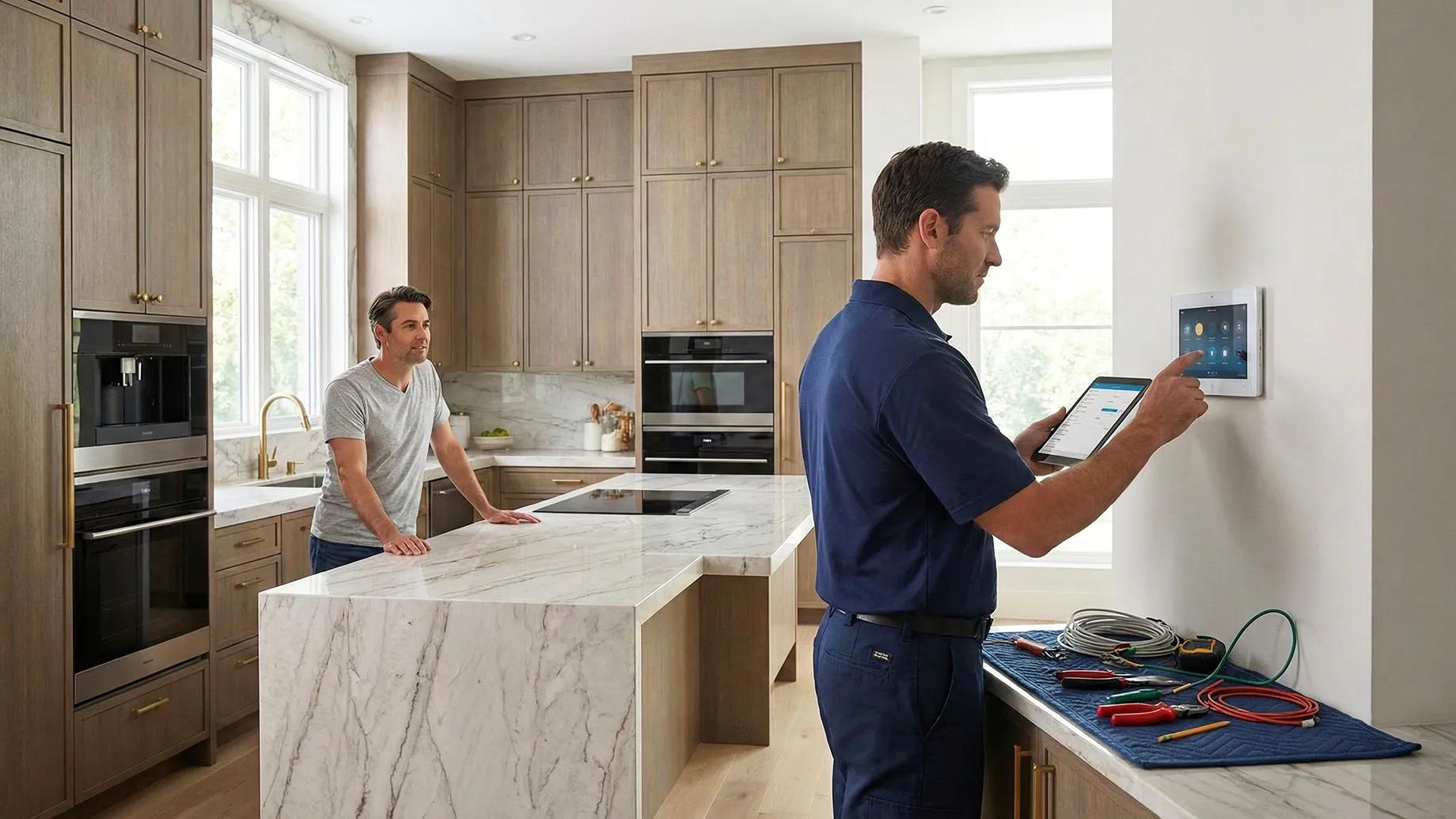
A smart home installer can transform an ordinary property into a connected living space where technology works together to make everyday life simpler. From smart lighting and automated controls to security systems, entertainment solutions, and connected appliances, professional installation helps homeowners enjoy modern features without dealing with complicated setup. A skilled smart home installer understands how different devices communicate and how to position, configure, and connect them for reliable performance.
What Is a Smart Home Installer?
A smart home installer is a professional who plans, installs, configures, and maintains connected home technology. Smart home systems can include lighting controls, smart locks, cameras, doorbells, thermostats, speakers, televisions, sensors, and centralized control systems.
Rather than installing each device separately, an experienced installer can create a coordinated system that allows different features to work together. This approach gives homeowners a more convenient way to manage their property through smartphones, tablets, voice commands, wall controls, or dedicated home automation systems.
Why Professional Smart Home Installation Matters
Smart technology may appear simple when viewed as individual devices, but creating a complete system can require careful planning. Every home has a different layout, electrical setup, internet arrangement, and technology requirement. A professional smart home installer considers these factors before recommending an installation approach.
Proper installation can also make daily operation easier. Devices can be organized logically, controls can be positioned where they are convenient, and connected systems can be configured according to the homeowner's preferences. This helps reduce confusion and allows residents to make better use of the technology they have purchased.
Designing a Smart Home Around Your Lifestyle
One of the most important parts of smart home installation is creating a system that matches the way people actually use their homes. A family may want convenient lighting control, while another household may place greater importance on entertainment, entry management, or energy monitoring.
A smart home installer can discuss the homeowner's priorities and develop a setup around those needs. Bedrooms, kitchens, living rooms, entrances, garages, and outdoor areas can all have different requirements. A personalized approach ensures that technology serves a practical purpose instead of simply adding more devices to the property.
Smart Lighting Installation
Smart lighting is one of the most popular features in modern home automation. It allows homeowners to control lights using applications, voice commands, schedules, or dedicated switches.
A professional installer can help determine where smart switches, dimmers, sensors, and connected lighting products should be placed. Lighting can be arranged to create convenient routines for mornings, evenings, entertainment, and other everyday activities.
With a properly designed system, homeowners can control multiple lights together instead of operating every switch individually. This creates a more comfortable and organized environment throughout the property.
Smart Security Systems
Home security has become an important part of connected living. Smart cameras, video doorbells, entry sensors, smart locks, and monitoring devices can provide homeowners with greater awareness of activity around their property.
A smart home installer can position security devices carefully to provide useful coverage while keeping controls easy to access. Smart locks can also provide convenient entry options, while connected doorbells can allow residents to see and communicate with visitors through compatible devices.
Professional configuration is particularly useful when several security products are connected to one system. It helps ensure that homeowners understand how each feature operates and how alerts and notifications are managed.
Home Entertainment Automation
Smart home technology can also improve entertainment. Modern homes may include televisions, speakers, streaming equipment, projectors, and other connected devices.
A smart home installer can bring these components together into a convenient entertainment setup. Instead of managing several separate remotes and applications, homeowners may be able to control compatible equipment through a central interface.
This can make movie nights, music sessions, and everyday television viewing more enjoyable. Proper equipment placement and system configuration can also help maintain a clean and organized appearance.
Smart Thermostat and Climate Controls
Connected thermostats provide another useful option for homeowners who want greater control over indoor comfort. Smart thermostats can offer scheduling features, remote controls, and information about household usage.
A professional installer can assist with installation and configuration so that the thermostat works correctly with the home's existing setup. The system can then be adjusted according to household routines, making it easier to manage indoor temperatures throughout the day.
Smart Door Locks and Access Control
Smart door locks offer a modern alternative to traditional entry methods. Depending on the system, homeowners may use a smartphone, keypad, fingerprint reader, or other approved method to access their property.
A smart home installer can assess the existing door hardware and recommend compatible options. Proper fitting and configuration are important because an access system needs to operate smoothly every time it is used.
Smart access technology can also be useful for households that need controlled entry for family members, guests, or service providers.
Voice Control and Centralized Management
One of the biggest advantages of smart home automation is centralized control. Compatible systems can allow homeowners to manage lighting, entertainment, climate settings, security devices, and other features from one interface.
Voice control can make everyday tasks even easier. Simple commands may allow users to adjust lights, operate compatible entertainment equipment, or check connected devices without reaching for a phone.
A professional installer can configure compatible products so that controls are straightforward and consistent throughout the home.
Choosing the Right Smart Home Installer
Selecting the right installer is an important part of creating a successful smart home. Experience, product knowledge, installation quality, communication, and after-installation support should all be considered.
A reliable smart home installer should take time to understand the property before suggesting equipment. Instead of promoting unnecessary products, the installer should focus on solutions that provide genuine value for the homeowner.
It is also helpful to choose a professional who understands different technology platforms and can explain how the completed system will work. Clear communication can make the entire installation process more comfortable for homeowners.
Planning a Smart Home Installation
Good planning can make a significant difference in the final result. The process usually begins with understanding the homeowner's goals, examining the property, identifying suitable devices, and determining how those devices will communicate.
The installer can then create a practical system based on the home's layout and technology requirements. Planning also allows future expansion to be considered, which can be useful for homeowners who want to add additional smart features later.
A carefully planned system can be easier to operate, maintain, and expand than a collection of unrelated devices installed without a clear strategy.
The Benefits of Professional Setup
Professional smart home installation provides more than simply connecting devices. It brings planning, technical knowledge, organization, and personalized configuration to the project.
Homeowners can save time by avoiding complicated setup processes and can gain a better understanding of how their systems operate. Professional installation can also help create a cleaner finished appearance by organizing equipment and controls thoughtfully.
When several smart devices are involved, having one professional oversee the installation can make the entire system more coordinated.
Smart Homes for Modern Living
Technology continues to change the way people interact with their homes. Smart home systems provide convenient ways to control everyday features while creating a more connected environment.
Whether the goal is improved lighting control, convenient entertainment, connected security, smart access, or centralized management, a professional smart home installer can help turn those ideas into a practical solution.
The best smart home is not necessarily the one with the largest number of devices. It is the one where technology is selected carefully, installed properly, and designed around the people who live there.
Conclusion
A smart home installer plays an important role in bringing modern connected technology into residential spaces. From smart lighting and security to entertainment, access control, climate management, and centralized operation, professional installation can make advanced systems easier to use and manage.
With careful planning and the right technology, homeowners can create a smart environment that supports comfort, convenience, and everyday efficiency. Choosing an experienced installer ensures that the system is designed with the property's needs in mind and provides a strong foundation for future smart home upgrades.