

Smart Heating Control System: A Smarter Way to Improve Indoor Comfort and Energy Efficiency
A smart heating control system has changed the way people manage indoor comfort in homes, offices, and commercial properties. Traditional thermostats require manual adjustments and often operate on fixed schedules that may not match daily routines. Modern smart control systems use advanced technology to provide greater flexibility, convenience, and energy efficiency while maintaining a pleasant indoor environment throughout the year.
As more property owners look for intelligent ways to reduce unnecessary energy use, smart heating control systems have become an important part of modern building management. These systems allow users to control indoor temperatures remotely, create personalized schedules, monitor energy usage, and automate climate settings based on occupancy and lifestyle.
Understanding a Smart Heating Control System
A smart heating control system is an intelligent temperature management solution that allows users to regulate indoor warmth using digital technology. Unlike conventional thermostats, these systems connect to smartphones, tablets, or computers through wireless networks, making it possible to adjust settings from almost anywhere.
The system gathers information about daily routines, room usage, weather conditions, and user preferences to optimize temperature management automatically. Instead of relying on fixed manual settings, it continuously adapts to create a more comfortable indoor environment.
Why Smart Heating Control Systems Are Becoming Popular
Growing awareness of energy efficiency has encouraged homeowners and businesses to adopt smarter building technologies. Rising utility expenses have also motivated people to seek practical ways to manage energy consumption without sacrificing comfort.
Smart heating control systems provide convenience that traditional controls cannot match. Users no longer need to remember to adjust the thermostat before leaving home or returning after work. Mobile applications make it possible to monitor and modify settings instantly.
The increasing popularity of home automation has further expanded interest in these intelligent systems. Many consumers now prefer connected devices that simplify daily routines while improving overall property management.
Remote Access Makes Everyday Life Easier
One of the biggest advantages of a smart heating control system is remote accessibility.
Using a secure mobile application, homeowners can check their indoor temperature while traveling, working, or enjoying holidays. If plans change unexpectedly, adjustments can be made immediately without returning home.
For example, if a family returns earlier than expected, the indoor temperature can be prepared before arrival. Likewise, if everyone stays away longer than planned, unnecessary energy use can be minimized with a few taps on a smartphone.
This flexibility gives users greater control over their property's comfort while avoiding wasted energy.
Personalized Scheduling Improves Efficiency
Every household follows a different daily routine. Smart heating control systems recognize this by allowing customized schedules for different days and time periods.
Morning temperatures can differ from evening settings, while weekends may follow an entirely separate schedule. Instead of maintaining one constant temperature throughout the day, the system automatically adjusts according to occupancy.
This intelligent scheduling creates a balance between comfort and energy conservation without requiring constant manual adjustments.
As routines evolve over time, schedules can easily be updated through the mobile application.
Learning User Preferences Automatically
Many advanced smart heating control systems include learning capabilities.
Rather than relying entirely on manual programming, these systems observe user behavior over several days or weeks. They recognize preferred temperature settings during different times of the day and gradually create automatic routines that reflect individual lifestyles.
As the system becomes more familiar with household habits, fewer manual changes are necessary.
This adaptive technology provides a seamless experience that feels natural while improving operational efficiency.
Room-by-Room Temperature Control
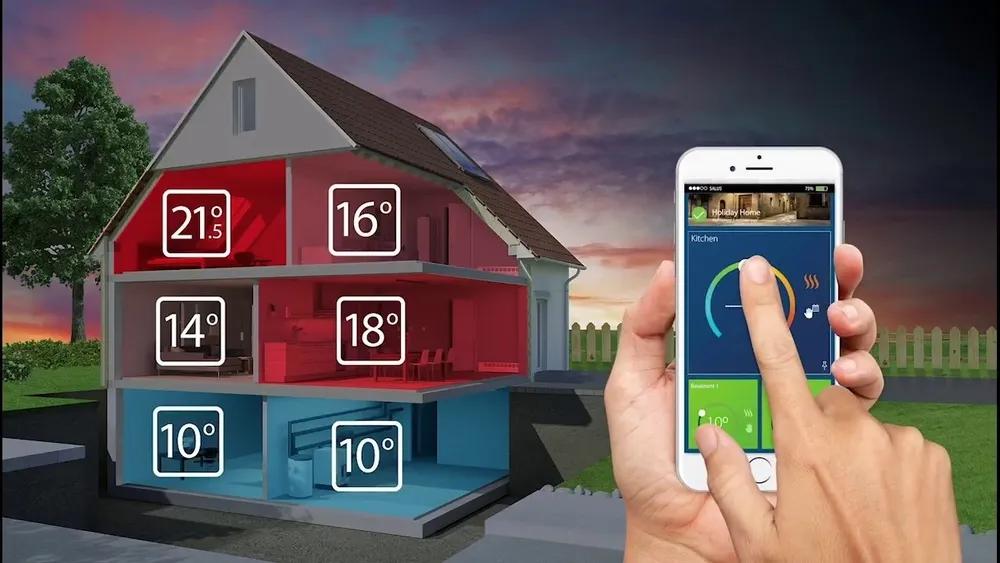
Smart heating control systems often support zoning, allowing separate temperature settings for individual rooms or sections of a building.
Bedrooms, living rooms, kitchens, offices, and guest rooms can each maintain their own preferred conditions based on occupancy.
This targeted approach prevents energy from being used in unoccupied areas while ensuring frequently used spaces remain comfortable.
Large homes particularly benefit from zoning because different family members often have varying comfort preferences.
Energy Monitoring Provides Valuable Insights
Many smart heating control systems include detailed energy reports that help users understand consumption patterns.
The accompanying mobile application may display daily, weekly, monthly, or yearly summaries showing how energy is being used.
These insights allow homeowners to identify opportunities for improvement. Small schedule adjustments or modified temperature settings may produce noticeable reductions in utility costs over time.
Integration with Smart Home Technology
Modern homes increasingly rely on connected devices that communicate with one another.
A smart heating control system often integrates with voice assistants, smart lighting, automated blinds, security systems, occupancy sensors, and weather services.
For example, when everyone leaves the property, the smart home system may automatically reduce indoor temperature settings while activating security features.
Upon returning home, lighting, indoor comfort, and other connected devices can work together to create a welcoming environment without manual intervention.
Occupancy Detection Supports Smarter Operation
Some advanced systems include occupancy detection using motion sensors or smartphone location services.
Instead of following rigid schedules, the system recognizes whether people are present inside the property.
If the home becomes vacant unexpectedly, temperature settings automatically adjust to reduce unnecessary energy use.
Once occupants begin returning, preferred comfort levels are restored before arrival.
Weather-Based Adjustments Improve Performance
Outdoor weather conditions directly influence indoor comfort.
Many smart heating control systems access local weather forecasts and automatically adapt their operation.
During colder days, the system prepares indoor spaces earlier. On milder days, adjustments become less aggressive, preventing unnecessary energy use.
Weather-responsive operation helps maintain stable indoor conditions without frequent manual changes.
This proactive approach creates greater consistency throughout changing seasons.
User-Friendly Mobile Applications
Modern smart heating control systems are designed with simplicity in mind.
Mobile applications provide intuitive dashboards displaying current temperatures, schedules, energy reports, and device status.
Users can easily create schedules, modify settings, receive notifications, or activate vacation modes with minimal effort.
Even individuals with limited technical experience can quickly learn how to operate the system effectively.
Vacation Mode Protects Efficiency During Extended Absences
Leaving home for several days or weeks no longer requires complicated thermostat adjustments.
Vacation mode temporarily changes temperature settings while the property remains unoccupied.
Instead of maintaining regular comfort levels throughout an empty home, the system operates at a reduced level that supports energy efficiency.
Before returning, homeowners can restore normal settings remotely, ensuring a comfortable indoor environment upon arrival.
Supporting Sustainable Living
Many homeowners want to reduce their environmental impact without compromising everyday comfort.
Smart heating control systems contribute by minimizing unnecessary energy consumption through automation, intelligent scheduling, occupancy detection, and continuous optimization.
Lower energy demand often translates into reduced greenhouse gas emissions associated with electricity or fuel production.
Although individual savings vary, consistent efficiency improvements across many households can make a meaningful contribution to broader sustainability goals.
Installation Considerations
Before installing a smart heating control system, it is important to evaluate compatibility with the existing heating equipment.
Many modern systems support a wide variety of boilers, radiant floor systems, electric heating solutions, and other temperature management equipment. Professional installation helps ensure reliable communication between components while maximizing available features.
Wireless connectivity should also be considered because stable internet access enables remote monitoring, software updates, and mobile control.
Maintenance Requirements
Smart heating control systems require relatively little maintenance compared to many household technologies.
Software updates improve security, reliability, and performance while adding new capabilities.
Wireless sensors should occasionally be checked to confirm proper battery levels where applicable.
Users should also review schedules periodically to ensure they continue reflecting current lifestyles.
Choosing the Right Smart Heating Control System
The ideal smart heating control system depends on several practical considerations.
Property size influences whether zoning capabilities are necessary. Larger homes often benefit from independent room controls, while smaller properties may require simpler solutions.
Ease of use is another important factor. A clear mobile application, reliable customer support, and regular software updates contribute to a better ownership experience.
Integration with other smart home devices may also influence purchasing decisions for homeowners planning broader automation projects.
Future Developments in Smart Heating Technology
Technology continues advancing rapidly, and smart heating control systems are expected to become even more intelligent.
Artificial intelligence will likely improve predictive temperature management by analyzing occupancy patterns, weather forecasts, and energy pricing in greater detail.
Greater compatibility between connected devices will further simplify home automation, allowing heating, ventilation, lighting, and security systems to function together more efficiently.
Enhanced reporting tools may also provide deeper insights into energy performance, helping homeowners make informed decisions about future improvements.
Conclusion
A smart heating control system offers an effective combination of comfort, convenience, efficiency, and intelligent automation. By providing remote access, personalized scheduling, occupancy detection, weather-based adjustments, zoning capabilities, and energy monitoring, these systems transform the way indoor environments are managed.
As smart home technology becomes increasingly common, intelligent heating controls continue to deliver practical benefits for homeowners and businesses seeking greater control over their indoor comfort. With easy operation, flexible customization, and ongoing technological improvements, investing in a smart heating control system represents a forward-thinking solution for creating comfortable, energy-efficient living and working spaces both now and in the years ahead.