

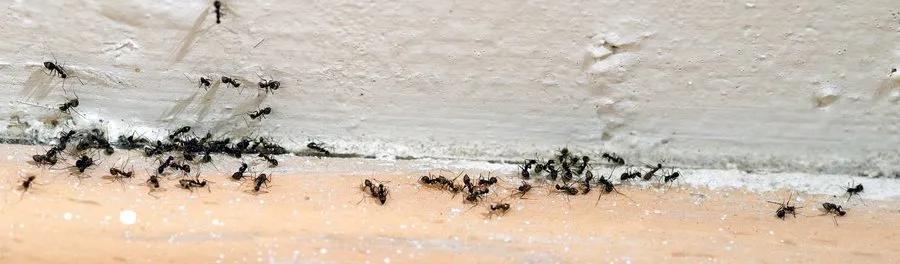
Caledon is known for its rolling hills, pristine conservation areas, and a lifestyle that blends rural charm with suburban convenience. However, the very environment that makes this region so appealing to humans also serves as a perfect habitat for various wildlife and insects. Among the most persistent of these small neighbors are ants. While these insects play a vital role in the outdoor ecosystem by breaking down organic matter and aerating soil, a significant issue arises when their foraging trails lead directly into residential kitchens, crawlspaces, and structural walls.
When a homeowner spots a few ants scouting near a baseboard, it is rarely an isolated incident. These insects operate as highly organized societies. A single colony can house thousands of individuals, all working in unison to sustain their queen and expand their territory. In the local geography, properties often feature large yards, abundant mature trees, and moisture-retaining soil—elements that naturally encourage colonial development. Understanding how these insects behave and why they choose to enter local residences is the first step toward achieving a pest-free home. Professional Ant Removal Caledon services help identify the source of the activity, address recurring infestations, and provide effective long-term solutions that keep residential and commercial properties protected throughout every season.
The Social Structure of the Colony
To successfully manage an infestation, one must look beyond the individual insects crawling on the counter. The visible foragers represent only a tiny fraction of the total population. Deep underground or hidden within wall voids lies a complex social hierarchy divided into distinct castes, each with a specific duty.
The queen is the heart of the operation, dedicated solely to reproduction. Around her are the workers, which are sterile females responsible for constructing tunnels, tending to the larvae, and foraging for sustenance. Because these workers are constantly searching for resources, they establish sophisticated communication networks using invisible pheromone trails. When a single scout discovers a source of sugar or protein in a pantry, it leaves a scent trail on its return journey to the nest. Within minutes, dozens of other workers follow this exact path, creating the familiar lines of marching insects that homeowners discover along windowsills and floorboards.
Why Standard Approaches Fall Short
Many traditional attempts to resolve this issue rely on immediate, aggressive intervention. Homeowners often rush to hardware stores to purchase mass-market sprays or powders designed to eliminate the insects on contact. While these methods might clear the visible lines on a kitchen counter for a few hours, they rarely solve the underlying issue.
In fact, targeting only the foraging workers can backfire. Many species possess a survival mechanism known as budding. When the colony senses that its workers are dying rapidly due to external threats, the queen or multiple queens will split the existing population into several smaller colonies, scattering them to different areas of the house. This turns a localized issue into a widespread, multi-room dilemma. Furthermore, relying on intense synthetic substances can introduce unwanted residues into living spaces, affecting indoor air quality and causing concern for households with young children and companion animals.
Environmental Triggers in the Local Landscape
The regional climate plays a massive role in insect behavior. The transition from damp springs to humid summers prompts colonies to accelerate their reproductive cycles and food gathering. During periods of heavy rainfall, the soil becomes saturated, forcing underground nests to seek higher, drier ground. This frequently leads them directly into the foundations of local houses.
Conversely, during prolonged dry spells, the search for moisture becomes desperate. Residences offer an abundance of water sources, from leaky plumbing fixtures and condensation on pipes to the drip trays beneath refrigerators. Combined with the architectural style of many properties—which often include expansive wooden decks, decorative firewood piles, and extensive perimeter landscaping—the gap between the natural outdoor habitat and the indoor living space becomes incredibly narrow.
Identifying Points of Entry
Securing a home requires a meticulous inspection of the property’s exterior. These insects are remarkably adept at finding the smallest structural imperfections. A hairline crack in a concrete foundation, a gap around a utility pipe, or a worn weatherstrip under a door serves as an open invitation.
Homeowners should pay close attention to areas where different building materials meet, such as where brickwork joins siding. Additionally, vegetation that contacts the structure acts as a natural bridge. Tree branches overhanging the roofline or ornamental shrubs brushing against window screens allow foraging scouts to bypass ground-level defenses entirely, entering through upper levels or soffits. By identifying these physical vulnerabilities, residents can shift their focus from reactive elimination to proactive exclusion.
Physical Exclusion Strategies
The most sustainable way to address an indoor infestation is to prevent access entirely. This approach focuses on structural modification, creating a durable barrier that insects cannot penetrate.
Sealing Foundation Cracks: Utilizing high-quality, flexible silicone caulk to fill every visible crevice along the exterior foundation wall is an excellent starting point. Unlike rigid materials, flexible sealants accommodate the natural settling of the house during seasonal temperature shifts.
Upgrading Screens and Weatherstripping: Ensuring that all window screens are free of tears and fit tightly within their frames is essential. Door sweeps should be installed on all exterior doors, including garage entryways, to eliminate the gap between the door bottom and the threshold.
Utility Penetrations: The spaces around outdoor water spigots, electrical conduits, and dryer vents should be packed with stainless steel mesh or expanding foam designed specifically to deter pests.
By systematically closing these entry points, the indoor environment becomes isolated from the outdoor population, forcing the colony to look elsewhere for sustenance.
Habitat Modification Around the Perimeter
The immediate surroundings of a house dictate how appealing the structure looks to a nearby colony. Modifying the landscape to create a less hospitable perimeter can significantly reduce the likelihood of an indoor invasion.
Maintaining a clear zone between the house foundation and any vegetation is a highly effective tactic. Ideally, a strip of gravel or river rock roughly half a meter wide should separate the soil and plants from the exterior walls. This deprives the insects of the moisture and cover they prefer when scouting near a building. Additionally, firewood piles, decaying logs, and piles of fallen leaves should be moved as far from the main residence as possible, as these materials serve as prime nesting sites. Regular lawn maintenance, including dethatching and keeping grass trimmed short near the structure, further reduces the humidity levels that colonies need to thrive.
Interior Sanitation and Resource Deprivation
An insect will not remain in a space where it cannot find food or water. Therefore, strict indoor hygiene is one of the most powerful tools for managing an infestation without resorting to harsh interventions.
Food storage practices must be flawless. General pantry items like sugar, flour, cereal, and pet food should be transferred from their original cardboard packaging into airtight glass or heavy-duty plastic containers. Countertops, stovetops, and dining areas must be wiped down daily to remove microscopic grease splatters and crumbs that attract scouts.
Trash bins represent a major attraction; using bins with tightly sealing lids and washing the interior of the cans regularly prevents the accumulation of sticky residues. Furthermore, resolving lingering moisture issues—such as repairing a slow drip under the kitchen sink or utilizing a dehumidifier in a damp basement—eliminates the water sources that are critical for colony survival.
Natural Deterrents and Scent Disruption
Because these insects rely entirely on pheromone pathways to navigate, disrupting their sense of smell can effectively shatter their organizational structure. When a scent trail is broken, foraging workers become disoriented and cannot communicate the location of food to the rest of the nest.
A variety of household ingredients can serve as natural deterrents. White vinegar, when mixed with equal parts water, acts as an excellent surface cleaner that simultaneously strips away pheromone tracks. The strong aroma of essential oils, such as peppermint, eucalyptus, and tea tree, is highly unappealing to these creatures. Applying a few drops of these oils to cotton balls and placing them near known historical entry points creates an olfactory barrier. While these measures do not destroy the colony, they discourage the insects from entering specific zones, steering them away from human living spaces.
Patience and Long-Term Vigilance
Successfully managing an insect population without relying on instant structural intervention requires a shift in mindset. It is a process that prioritizes long-term prevention over immediate gratification. Homeowners must accept that seeing an occasional insect indoors is part of living in a rural-suburban landscape, but by maintaining strict exclusion barriers and pristine sanitation, those isolated individuals will not turn into a full-scale invasion.
Regular seasonal monitoring is key. Every spring and autumn, taking the time to walk the perimeter of the property, check the integrity of caulking, inspect window seals, and trim back encroaching vegetation ensures that the home remains a fortress against the natural world. Through consistent habits and mindful property maintenance, residents can enjoy everything the local environment has to offer while keeping the wilderness firmly outside.