

Old Maps for Collectors: A Journey Through History, Art, and Timeless Value
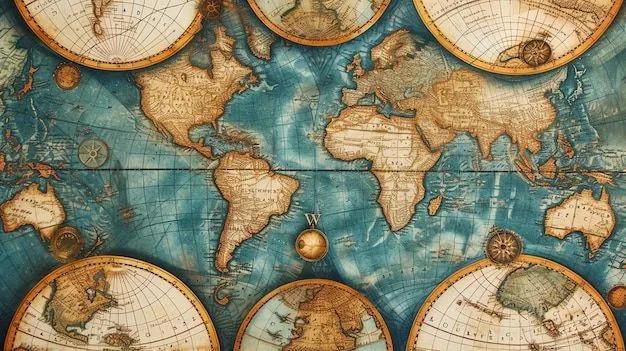
Old maps for collectors offer much more than decorative appeal. They preserve the stories of civilizations, explorers, kingdoms, trade routes, and changing landscapes that have shaped the world over centuries. Every antique map reflects the knowledge, artistic style, and geographical understanding of the era in which it was created. Whether displayed in a home, preserved in a private collection, or admired in a gallery, these historical treasures connect the present with the past in an extraordinary way.
Collectors appreciate old maps because each piece possesses its own identity. Some maps illustrate countries before modern borders existed, while others highlight forgotten towns, ancient sea routes, or hand-drawn illustrations of mythical creatures. Their uniqueness continues to inspire historians, travelers, interior designers, and passionate collectors across the globe.
The Historical Importance of Antique Maps
Maps have always served as valuable records of human discovery. Long before satellite imagery and digital navigation became available, cartographers carefully documented coastlines, mountains, rivers, and settlements using the best knowledge they possessed.
Today, these historic maps reveal how people once viewed the world. They capture changing political boundaries, colonial expansion, maritime exploration, and cultural development across different continents. Every old map provides a visual timeline that helps historians understand how geography and civilization evolved together.
Why Old Maps Continue to Attract Collectors
The fascination with old maps extends beyond historical interest. Many collectors admire the artistic craftsmanship found in antique cartography. Decorative borders, elaborate lettering, hand-colored illustrations, sailing ships, sea monsters, and ornamental compass roses transform these maps into remarkable works of art.
Another reason for their popularity is their individuality. Unlike modern printed posters produced in large quantities, authentic antique maps possess characteristics developed through age. Slight discoloration, original paper textures, and period printing techniques contribute to their authenticity and visual appeal.
Different Types of Old Maps for Collectors
The world of antique cartography includes numerous categories that appeal to different collecting interests. Some enthusiasts specialize in world maps that illustrate early interpretations of global geography. Others focus on regional maps representing specific countries, provinces, or historical territories.
City maps remain particularly desirable because they capture urban development at various stages in history. They often reveal streets, marketplaces, rivers, and buildings that have changed dramatically over time.
Military maps document important campaigns, defensive structures, and strategic locations, while railway maps preserve the transportation networks that fueled industrial expansion.
Understanding the Craftsmanship Behind Antique Maps
After completing the design, engravers transferred the artwork onto copper plates or woodblocks for printing. Many maps were then carefully colored by hand, making every finished piece slightly different from another copy produced from the same plate.
The typography, decorative cartouches, and artistic embellishments often reflected the culture and aesthetic preferences of the period. This combination of scientific knowledge and artistic excellence makes antique maps highly desirable among collectors.
Recognizing Authentic Historical Maps
Authenticity remains one of the most important considerations when collecting old maps. Genuine antique maps display characteristics associated with traditional printing methods and naturally aged materials.
Collectors often examine paper texture, printing impressions, margins, and period typography. Original maps may contain signs of careful preservation, including gentle toning, visible plate marks, or historical annotations.
Modern reproductions can appear visually attractive, but they do not possess the same historical significance or collectible value. Developing familiarity with historical printing techniques allows collectors to distinguish authentic examples from contemporary replicas.
Building a Meaningful Map Collection
Every collection reflects the personality and interests of its owner. Some collectors choose maps connected to their hometown or ancestral heritage. Others focus on specific explorers, historical periods, or geographical regions.
A well-planned collection often develops gradually. Instead of pursuing quantity, experienced collectors usually emphasize quality, historical significance, and excellent preservation.
Maintaining detailed records of acquisitions adds further value to a collection. Information about publication dates, cartographers, previous ownership, and historical context enriches both personal enjoyment and future documentation.
Factors That Influence Collectible Value
Several elements determine the desirability of antique maps within the collecting community. Rarity often plays a significant role, especially when few surviving examples remain available.
Historical importance can greatly enhance interest. Maps connected with major discoveries, influential empires, or significant historical events typically attract greater attention.
Condition also influences collector demand. Maps that have been carefully preserved generally receive stronger appreciation than heavily damaged examples.
Artistic quality contributes as well. Decorative engravings, hand coloring, elegant cartouches, and detailed illustrations frequently increase collector appeal.
Displaying Old Maps with Elegance
Displaying antique maps allows collectors to enjoy their historical beauty every day. Thoughtful presentation enhances both visual impact and long-term preservation.
Professional framing using archival-quality materials provides protection while showcasing intricate details. Many collectors choose frames that complement the historical character of the artwork without distracting from the map itself.
Large wall displays create striking focal points in libraries, offices, studies, and living spaces. Smaller framed maps work beautifully as part of gallery-style arrangements that celebrate history through art.
Caring for Antique Maps
Responsible preservation ensures that antique maps remain enjoyable for future generations. Gentle handling minimizes unnecessary stress on aging paper.
Clean, dry environments support long-term stability. Protective storage materials designed for archival preservation provide additional security when maps are not on display.
Regular inspections allow collectors to identify small issues before they become more serious. Careful preservation helps maintain historical integrity while extending the lifespan of these remarkable documents.
The Educational Benefits of Collecting Maps
Collecting antique maps creates opportunities for continuous learning. Each acquisition encourages research into geography, politics, exploration, architecture, and cultural development.
Studying historical maps often reveals forgotten place names, changing coastlines, vanished kingdoms, and evolving transportation routes. Comparing maps from different centuries illustrates how human understanding of the world gradually improved.
Students, educators, researchers, and history enthusiasts frequently use antique maps to support academic studies and historical interpretation.
Old Maps as Interior Design Statements
Historic maps have become increasingly popular in interior design because they combine sophistication with storytelling. Their neutral tones and intricate details complement both traditional and contemporary spaces.
Libraries, executive offices, boutique hotels, reading rooms, and private residences often incorporate framed antique maps to create elegant environments rich in character.
Unlike generic wall decorations, authentic historical maps introduce genuine cultural significance into interior spaces. Visitors naturally become curious about the stories represented within each carefully preserved document.
The Emotional Connection Behind Map Collecting
Many collectors develop deep emotional attachments to particular maps. A historical map may represent an ancestral homeland, a memorable journey, or an admired explorer whose achievements continue to inspire.
Some maps commemorate places that no longer exist in their original form, preserving memories that might otherwise disappear from history.
This emotional connection transforms collecting into a meaningful personal experience rather than simply acquiring historical objects. Every newly discovered map expands the collector's understanding of the world's remarkable past.
The Future of Antique Map Collecting
Interest in historical cartography continues to grow as more people appreciate authentic craftsmanship and cultural heritage. Digital technology has increased awareness of antique maps by allowing collectors to research historical publications and compare examples from museums worldwide.
Despite advances in digital mapping, original printed maps maintain a special significance that cannot be replicated electronically. Their physical presence, artistic quality, and historical authenticity continue to inspire collectors seeking genuine connections with history.
Conclusion
Old maps for collectors represent an extraordinary blend of history, artistry, and cultural heritage. Every antique map tells a unique story of discovery, imagination, and geographical understanding from another era. Their detailed craftsmanship, historical importance, and timeless beauty continue to captivate collectors throughout the world.
Whether beginning a new collection or expanding an established archive, investing time in learning about historical maps enriches the collecting experience. These remarkable documents preserve the legacy of explorers, cartographers, and civilizations while offering lasting inspiration for generations to come. For collectors who value authenticity, knowledge, and artistic excellence, old maps remain among the most fascinating historical treasures ever created.