

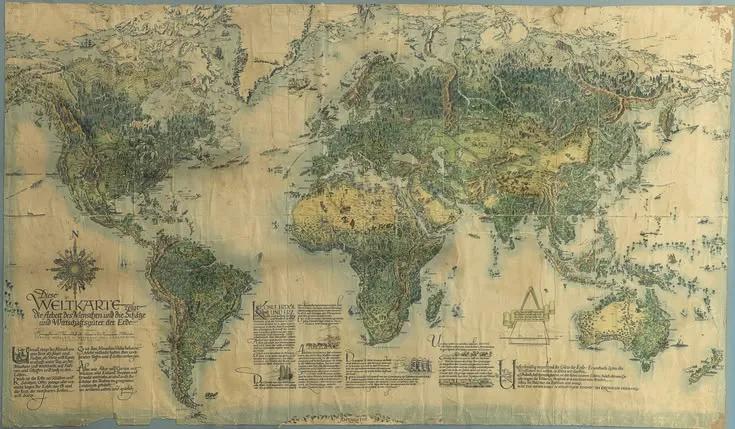
Historical maps for collectors offer a fascinating way to explore the past through beautifully crafted representations of cities, countries, coastlines, and regions. Long before modern digital mapping became part of everyday life, maps were carefully produced to record places, guide journeys, support trade, and document changing boundaries. Today, these remarkable pieces have become sought-after collectibles for people who appreciate history, cartography, art, and traditional printing.
Collecting historical maps is more than simply purchasing an old piece of paper. Each map can tell a story about how people understood the world at a particular moment. Roads may have changed, towns may have disappeared, and borders may have been redrawn, making an old map a unique historical record. For collectors, this combination of visual beauty and historical meaning makes antique and historical maps particularly appealing.
What Makes Historical Maps Special?
The appeal of historical maps comes from their ability to connect the present with earlier periods. A map created hundreds of years ago can show how a city looked before modern development transformed its streets and surroundings. Names, boundaries, landmarks, rivers, and settlements can provide clues about the past while also revealing the skills of the mapmakers who created them.
Many historical maps were designed with impressive attention to detail. Decorative titles, illustrated borders, traditional lettering, engraved lines, and carefully arranged geographical information often turn a practical document into a genuine work of art. Collectors may appreciate a map for its age, rarity, design, geographical information, or connection to an important period.
Why People Collect Historical Maps
Every collector has a different reason for becoming interested in historical maps. Some people are fascinated by family history and want maps showing the places where their ancestors lived. Others enjoy studying the development of cities and regions over time. Art enthusiasts may be attracted to the engraving techniques and decorative designs found on older maps.
Historical maps can also complement collections focused on books, travel, architecture, local history, or exploration. A carefully selected map can provide visual context that photographs and written records cannot always offer. For many collectors, the greatest attraction is simply the feeling of holding an authentic piece of the past.
Understanding Different Types of Historical Maps
Historical maps come in many forms, and understanding their differences can help new collectors make more informed choices. City maps are popular because they allow collectors to compare historic streets and landmarks with modern urban landscapes. Regional maps can reveal how provinces, counties, or territories were organized during earlier periods.
World maps are another fascinating area of collecting. They demonstrate how geographical knowledge developed and how different generations represented continents and oceans. Country maps can also be valuable, especially when they document important changes in boundaries or political organization.
There are also transportation maps, maritime charts, road maps, estate maps, and specialized maps created for particular purposes. Each category has its own historical importance and visual character, giving collectors many opportunities to develop a collection around a particular theme.
The Importance of Age and Rarity
Age is often one of the first factors collectors consider, but an old map is not automatically more valuable than a newer one. Rarity, condition, historical significance, geographical subject, publisher, and demand can all influence desirability.
A map produced in limited quantities may attract attention because fewer examples have survived. Similarly, a map depicting a location during an important period can have greater interest than a similar map showing a less significant subject.
Collectors should therefore look beyond the date printed on a map. Learning about the mapmaker, publisher, printing method, edition, and historical circumstances surrounding its creation can provide a much better understanding of its significance.
How to Identify an Authentic Historical Map
Authenticity is an important consideration when collecting. A genuine historical map can contain clues about its age, including paper characteristics, printing techniques, typography, engraving details, publication information, and natural signs of aging.
Collectors should research the map carefully and compare it with reputable references or catalogues when possible. Information printed around the map can sometimes identify the publisher, edition, date, or place of production.
Reproductions can look remarkably convincing, so buyers should ask whether a piece is an original historical map or a later reproduction. Clear descriptions from established sellers and specialists can make the buying process much easier.
Condition Matters to Collectors
The condition of a historical map can have a major effect on its appeal. Because maps are often made from paper, they may show signs of their age, such as folds, small marks, discoloration, or minor edge wear. These characteristics do not necessarily remove their historical charm, but collectors generally pay close attention to the overall condition.
A map that has retained its original printed detail and structure can be particularly attractive. When evaluating a piece, collectors should consider whether important text, borders, illustrations, and geographical details remain clearly visible.
Proper storage is equally important. Historical maps should be kept in suitable archival conditions away from excessive moisture, direct sunlight, and unnecessary handling. Careful preservation allows collectors to enjoy their maps while helping maintain their condition for the future.
Choosing a Theme for Your Collection
Starting with a clear theme can make historical map collecting more enjoyable. Some collectors focus on a particular country, city, century, mapmaker, or geographical region. Others build collections around world maps or maps connected with family heritage.
A themed collection can gradually develop into a visual history of a specific place. For example, collecting maps of one city from different periods can reveal how its streets, districts, landmarks, and surrounding areas developed over generations.
There is no single correct way to build a collection. Personal interest should remain the main guide because a map that has a meaningful connection to the collector can be more rewarding than a piece selected purely for its market value.
Where Collectors Can Find Historical Maps
Historical maps can be found through specialist dealers, antique shops, auctions, estate sales, book fairs, and established online map sellers. Specialist sources can be particularly useful because sellers often provide information about dates, editions, origins, and condition.
Online research has also made it easier for collectors to compare different maps before making a purchase. However, photographs alone may not reveal every detail, so descriptions and provenance should be considered carefully.
When purchasing an expensive or particularly rare map, collectors may benefit from obtaining additional information about its history and authenticity before completing the transaction.
Displaying Historical Maps
A beautiful historical map deserves thoughtful presentation. Framing can transform a map into an impressive decorative feature while also providing protection from unnecessary handling. Collectors should choose framing materials and display conditions that are appropriate for older paper.
Historical maps can work especially well in libraries, offices, studies, hallways, and reading rooms. A carefully displayed map can become both a conversation piece and an educational feature.
The best displays allow viewers to appreciate the details without exposing the map to unsuitable environmental conditions. Collectors who own particularly delicate pieces may choose professional conservation and framing services.
Building a Meaningful Collection
The most rewarding historical map collections are often built gradually. Instead of purchasing every map that appears interesting, collectors can research subjects and choose pieces that contribute to a larger story.
A collection might begin with a single city map and eventually grow into a detailed historical record covering several centuries. Each addition can provide another perspective and deepen the collector's understanding of cartography and history.
Collectors can also keep written records of their purchases, including the map's title, date, publisher, dimensions, condition, source, and other relevant information. This creates a useful catalogue and adds structure to the collection.
The Lasting Appeal of Historical Maps
Historical maps for collectors combine history, geography, craftsmanship, and visual design in a remarkably unique way. They allow people to study places as they appeared in earlier generations while appreciating the traditional methods used to represent them.
Whether you are interested in antique city maps, rare world maps, regional charts, or beautifully engraved geographical pieces, collecting provides an opportunity to preserve fascinating fragments of the past. With careful research, thoughtful purchasing, and proper preservation, a historical map collection can become a deeply rewarding personal archive.
The real beauty of historical maps lies in the stories they preserve. Every line, name, boundary, and illustrated detail can offer a glimpse into another time. For collectors, that connection makes each map more than a decorative object—it becomes a tangible window into history.